
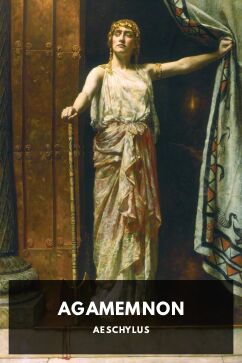
Agamemnon - Aeschylus
Let's set the scene: the Trojan War is finally over. After ten long years, King Agamemnon is sailing home to Argos, a conquering hero. Back at the palace, his wife Clytemnestra has been preparing a grand welcome. She’s laid out the finest crimson tapestries for him to walk on. It looks like a triumph.
The Story
But from the very first moment, a watchman and a chorus of old men hint that all is not well. They’re nervous. They talk about the terrible thing Agamemnon did years ago: sacrificing their daughter, Iphigenia, to appease a goddess and get fair winds for his war fleet. When Agamemnon finally arrives, Clytemnestra’s welcome is overwhelmingly lavish, almost suspiciously so. She convinces him to walk on the sacred tapestries, an act of extreme arrogance. Then, she leads him inside to bathe. What follows is not a scene of reunion, but one of the most famous off-stage murders in literature. Clytemnestra emerges, not with a towel, but with blood on her hands, having killed her husband in his bath. Her reason? Vengeance for their daughter. But then, her lover Aegisthus appears, revealing his own motive: revenge for a past wrong Agamemnon’s father committed against his family. The ‘hero’s return’ has become a bloody nightmare.
Why You Should Read It
What grabs me isn't the plot twist—you often know it’s coming—but the thick, suffocating atmosphere Aeschylus builds. The real drama is in the words, the heavy silences, and the terrifying charisma of Clytemnestra. She’s not a one-note villain; she’s a wronged mother, a brilliant strategist, and a chilling avenger all at once. You understand her rage, even as you’re horrified by her act. The play forces you to ask: When does justice become just another link in a chain of violence? Agamemnon is no saint either—his pride and past decisions haunt him. There are no clean hands here.
Final Verdict
This is for anyone who loves psychological tension and complex characters. If you’re a fan of shows like Succession or Game of Thrones for their power struggles and moral ambiguity, you’ll find the original blueprint right here. It’s also perfect for readers who want to engage with the big questions—about justice, revenge, and fate—without getting a dry history lesson. A good translation (I recommend Robert Fagles or Ted Hughes) makes it feel urgent and alive, not like homework. Just be ready for a story that gets under your skin and stays there.
The copyright for this book has expired, making it public property. Use this text in your own projects freely.
Deborah Walker
1 year agoLoved it.
Aiden Gonzalez
1 year agoNot bad at all.
Patricia Garcia
1 year agoLoved it.
Michelle Wright
11 months agoAfter finishing this book, the character development leaves a lasting impact. Highly recommended.







Linda Thompson
1 year agoClear and concise.