1

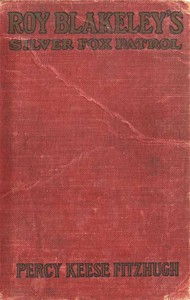
Roy Blakeley's Silver Fox Patrol — Themes and Context
(0 User reviews)
572
Project Gutenberg
2013
Not confirmed
Boys -- Juvenile fiction; Boy Scouts -- Juvenile fiction; Mystery fiction; Thieves -- Juvenile fiction; Gold -- Juvenile fiction
Readers of public-domain and historical texts
Project Gutenberg digital edition
en
Edition facts
Words
42,435
Reading time
185 min
Text sections
6
This digital edition of Roy Blakeley's Silver Fox Patrol — Themes and Context is described by source-level measurements including 42,435 words, 3 hr 5 min estimated reading time, and 6 detected text sections.
The text analysis averages about 14.8 words per sentence, while the detected sections provide another way to judge how the source is divided.
Project Gutenberg metadata also associates the work with “Boys -- Juvenile fiction,” connecting these edition facts with the source record’s subject description.
Source:
Project Gutenberg record #43011
Percy Keese Fitzhugh's 1920 Boy Scout mystery opens with narrator Roy Blakeley's casual, banana-eating voice and a missing Pee-wee Harris. The excerpts show a shift from banter to suspense as the patrol investigates a dark secret, searches a cliff, and faces a grim discovery.
Read the complete public-domain text at its original source.
Read on Project GutenbergRoy Blakeley begins his story while eating a banana on a rock, immediately establishing a conversational, self-deprecating tone. He admits he forgot his 'dandy thought' and instead follows Mr. Ellsworth's advice to start with dialogue. That dialogue comes from Pee-wee Harris, who insists a railroad car can have a 'dark past'—a phrase that sets the mystery in motion. The banter among the scouts, including little Alfred McCord's literal interpretation ('It's one that's all black'), reveals a group comfortable with teasing and wordplay. Roy's deadpan rejoinder about his sister's 'pale lavender' secret shows his wit. This opening signals a lighthearted adventure, but the chapter titles—'We Make a Discovery,' 'We Read the Letter'—promise a plot driven by clues and investigation.
Voice and Narration in the Opening
The first-person narration by Roy Blakeley is immediate and informal, using contractions, slang ('gee whiz,' 'yop'), and a rambling structure that mimics spoken storytelling. He addresses the reader directly ('I was going to begin this story by telling you about it'), creating a sense of shared confidence. The dialogue is rapid and overlapping, with characters interrupting each other. Pee-wee dominates conversation, while Roy provides dry commentary. This voice sets the tone for a boys' adventure that values camaraderie over suspense—at least initially. The excerpts show no third-person omniscience; everything is filtered through Roy's perceptions, including his own forgetfulness and humor.
The Shift from Banter to Tension
By Chapter XIX, the tone changes markedly. The patrol is searching for Pee-wee, who has disappeared near a cliff. The dialogue becomes clipped and anxious: 'Where's Pee-wee?' 'I don't know.' The narrator's physical reactions—'breathing kind of hard,' 'a kind of lump in my throat'—replace earlier jokes. Harry's voice sounds 'funny and different,' and the group's silence is punctuated by a train whistle and Skinny's breathing. The discovery of Pee-wee's khaki suit wedged between rocks is presented without melodrama: 'It's—it's him.' The restraint in the prose—'I was afraid of it'—makes the moment more affecting. This contrast between the opening's levity and the later gravity is a key structural feature.
Recurring Details and Their Functions
Several details recur across the excerpts. Bananas appear in the first sentence and are mentioned again as a conversational prop. The 'dark secret' motif—introduced as a joke—becomes literal in the cliff scene. The patrol's car, with its kerosene lamp and storage battery, is both a setting and a tool: the headlight is repurposed to search the cliff. The narrator's habit of noting what he 'can see' and 'can hear' (the train whistle, the crackling branch) builds atmosphere. These concrete objects anchor the story in a specific, tactile world of 1920s scouting equipment and rural landscapes.
What the Excerpts Leave Unresolved
The excerpts end with Roy preparing to climb down to Pee-wee, but the outcome is not shown. The chapter titles hint at further complications: 'We Are Pursued,' 'We Are Caught,' 'Our Case Is Dismissed.' The mystery of the 'dark secret' and the letter mentioned in Chapter II remain unexplained. Readers should note that the excerpts cover only the first third of the book's 35 chapters. The tone may shift again, and the fate of Pee-wee—and the patrol's investigation—is not revealed here. The narrative voice, however, remains consistent: Roy's first-person perspective, with its blend of humor and earnestness, carries the story forward.
Readers approaching Roy Blakeley's Silver Fox Patrol should pay attention to how Fitzhugh balances the boys' banter with moments of real peril. The excerpts show a story that earns its suspense by first establishing a relaxed, humorous voice. The cliff scene works because we have come to know the characters through their jokes. The book's structure—chapter titles that promise action, a narrator who forgets his own thoughts—invites a casual reading, but the later excerpts reward closer attention to mood and detail.
I kept thinking about that cliff in Roy Blakeley's Silver Fox Patrol—how the joking faded so quietly into dread. It reminded me of another story’s hush, the weight of something unsaid in the woods. Swamp Cat — Reading Companion lingers the same way, leaving a softer ache behind. I still feel that gray afternoon sometimes.
There are no reviews for this eBook.
There are no comments for this eBook.
Reader reflection
How will you remember this book?
Save your reaction, strongest insight, and memorable passage.
Your progress
0
/
10
2
Did this book hold your interest?
3
Would you recommend this book to another reader?
4
How much effort did this book require?
5
Did the book give you something worth debating?
6
What was its emotional impact?
7
Did the story or argument move comfortably?
8
How original did the book feel?
9
What did this book teach you most?
10