1

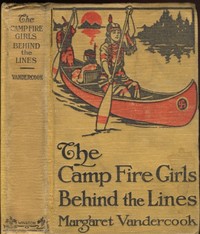
The Camp Fire Girls Behind the Lines — Inside the Classic
(0 User reviews)
403
Project Gutenberg
2010
Not confirmed
War stories; Camp Fire Girls -- Juvenile fiction; Adventure and adventurers -- Juvenile fiction; World War, 1914-1918 -- Juvenile fiction; Young women -- Social life and customs -- Juvenile fiction; Young women -- Societies and clubs -- Juvenile fiction
Readers of public-domain and historical texts
Project Gutenberg digital edition
en
Edition facts
Words
46,049
Reading time
201 min
Text sections
5
For The Camp Fire Girls Behind the Lines — Inside the Classic, the stored edition analysis reports 46,049 words, 3 hr 21 min estimated reading time, and 5 detected text sections.
The text analysis averages about 18.2 words per sentence, while the detected sections provide another way to judge how the source is divided.
Project Gutenberg metadata also associates the work with “War stories,” connecting these edition facts with the source record’s subject description.
Source:
Project Gutenberg record #33532
Margaret Vandercook's 1918 novel follows Camp Fire girls in California during WWI, blending mission-bell poetry, pacifist debates, and a play production. The narrative voice shifts between lyrical description and pointed dialogue, with a notable change in pace from scenic rides to tense discussions about duty and sacrifice.
Read the complete public-domain text at its original source.
Read on Project GutenbergThe novel opens with a small cavalcade winding down a steep white road, the Pacific Ocean visible in the distance. One girl recites poetry about mission bells, her voice described as “odd, charming” with a “slightly hoarse note.” This lyrical, descriptive passage establishes a romantic California setting, but the narrative soon shifts to a different register: a debate between a pacifist boy named Billy and a lieutenant about the morality of war. The contrast between the opening’s poetic calm and the later argumentative dialogue is sharp, revealing Vandercook’s willingness to let her characters voice opposing views without immediate resolution.
From Mission Bells to Rattlesnakes
The first chapter, titled “El Camino Real,” immerses readers in a landscape of “bare, brown hills” and “old mission bells.” The prose lingers on sensory details—the sound of waves, the sight of “white sprites of foam.” Yet by the time the characters visit a military encampment, the tone shifts to practical concerns: clearing underbrush, killing rattlesnakes, and driving artillery. This change in pace from reverie to reportage is not jarring but deliberate, as if the author wants to show the same girls moving from a world of romance into one of wartime labor. The rattlesnake detail (ninety killed in one day) grounds the story in a specific, gritty reality.
The Pacifist and the Lieutenant
Billy, a young man who “had such an intense manner,” argues that men should “conquer poverty and injustice” rather than each other. Lieutenant Carson responds not with dismissal but with a patient counterargument: “some of us want peace so much that we are willing to pay for it by the final last sacrifice of our youth and our blood.” The dialogue is structured as a genuine exchange, with each speaker given room to develop their position. Billy’s egotism—he believes he will have “a tremendous influence upon people just through talking”—is left unchallenged by the narrative voice, which reports rather than judges. This restraint allows the reader to weigh the arguments without authorial nudging.
A Play as a Narrative Pivot
Chapter XII, titled “As You Like It,” introduces the idea of staging a play for recreation. This marks another shift in pace: from the philosophical debates of the previous chapters to the practicalities of costume and rehearsal. The chapter heading itself is a Shakespearean allusion, hinting at themes of disguise and transformation. While the excerpts do not reveal the play’s outcome, the planning suggests a return to the collaborative, creative energy seen in the opening mission-bell scene. The narrative thus oscillates between three modes: lyrical description, ideological argument, and communal activity. Each mode alters the rhythm of the prose, keeping the reader attentive to changes in voice and focus.
Readers should pay attention to how Vandercook uses setting as a barometer for mood: the open road and ocean suggest freedom, while the encampment and its rattlesnakes imply constraint. The debates between Billy and the lieutenant are worth rereading for their balanced presentation of opposing views. The play chapter, though only glimpsed, may offer a key to how the characters reconcile their ideals with wartime realities.
The rain strummed the window as I finished The Camp Fire Girls Behind the Lines, the girls’ wartime debates still humming. That longing for something airborne, for escape, reminded me of my father’s old shelf. I pulled down Mystery Wings A Mystery Story for Boys — Story, Setting & Ideas, and the afternoon softened into a different kind of waiting.
There are no reviews for this eBook.
There are no comments for this eBook.
Reader reflection
What did you think of this book?
Answer a few questions and save a private reflection on this device.
Your progress
0
/
10
2
How did the book work for you overall?
3
How likely are you to recommend this book?
4
How easy was the book to follow?
5
Would a second reading be valuable?
6
What did you appreciate most?
7
How original did the book feel?
8
How clearly were the main ideas presented?
9
What changed or sharpened your thinking?
10