1

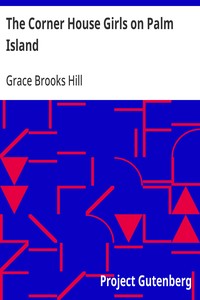
The Corner House Girls on Palm Island — Story, Setting & Ideas
(0 User reviews)
184
Project Gutenberg
2011
Not confirmed
Christmas stories; Family -- Juvenile fiction; Boats and boating -- Juvenile fiction; Sisters -- Juvenile fiction; Robinsonades; Ocean travel -- Juvenile fiction; Caribbean Area -- Description and travel -- Juvenile fiction; West Indies -- Description and travel -- Juvenile fiction
Readers of public-domain and historical texts
Project Gutenberg digital edition
en
Edition facts
Words
51,175
Reading time
223 min
Text sections
6
The catalog record for The Corner House Girls on Palm Island — Story, Setting & Ideas provides practical reading context through 51,175 words, 3 hr 43 min estimated reading time, and 6 detected text sections.
The text analysis averages about 12.6 words per sentence, while the detected sections provide another way to judge how the source is divided.
Project Gutenberg metadata also associates the work with “Christmas stories,” connecting these edition facts with the source record’s subject description.
Source:
Project Gutenberg record #36259
This editorial note examines the structure and recurring images in Grace Brooks Hill's 1922 novel, focusing on how the Kenway sisters' island adventure is built through alternating scenes of domestic comedy and survival challenges, with careful attention to the movement between the familiar and the exotic.
Read the complete public-domain text at its original source.
Read on Project GutenbergThe Corner House Girls on Palm Island opens not with a shipwreck but with a chestnut-grove dispute over a mysterious noise, immediately establishing the blend of domestic comedy and adventure that defines the series. The narrative moves briskly from the familiar setting of the Kenway sisters' home life to a tropical island, but the transition is mediated by the same conversational banter—Sammy Pinkney's grumbling, Agnes's vanity, Dot's earnestness—that characterized the earlier chapters. This structural choice keeps the exotic setting grounded in the characters' established voices.
From Chestnut Grove to Palm Island: The Structure of Transition
The novel's first chapter, set in a chestnut grove, introduces the sisters through a familiar seasonal activity. The dialogue is quick, with each sister's personality distinct: Dot hears a noise, Tess asks mild questions, Agnes picks chestnuts with gloves on to protect her hands, and Sammy complains about prickers. This scene serves as a structural anchor, establishing the group's dynamic before the plot moves them to a radically different environment. The transition to Palm Island is not abrupt; the journey is described in stages, with the motor-boat Isobel carrying them through a storm that forces a landing. The island itself is introduced through a series of practical concerns—finding shelter, anchoring the boat, setting up camp—that mirror the earlier domestic routines. The narrative thus builds a bridge between the familiar and the unfamiliar, using the same problem-solving approach that characterized the girls' home life.
Recurring Images: The Shell, the Egg, and the Sea
Several images recur across the excerpts, linking the girls' everyday world to their island adventure. The deep scratches on a shell, mentioned in the frontispiece and the opening chapter, hint at hidden dangers or mysteries. More prominent is the running joke about the eggs that Agnes cannot identify: Neale O'Neil teases her that they come from hens that can only be seen at sunrise, and the joke is sustained over multiple pages. The eggs turn out to be turtle eggs, a discovery that ties the island's wildlife to the girls' curiosity. The sea itself is a constant presence, described in terms of its treasures—the strand is "a field of wonderful sea treasures"—and its dangers, as the storm that strands them is recalled. These images create a sensory texture: the prickers of chestnut burrs give way to the sand and shells of the beach, but the tactile details remain sharp.
Movement Between Scenes: Dialogue as a Driver
The narrative moves between scenes primarily through dialogue, which carries the action forward and reveals character. In the chestnut grove, the conversation about the noise shifts seamlessly to nut-gathering and then to the plot's inciting incident. On the island, the egg joke occupies a full page of back-and-forth, with Agnes's pride and Neale's mock-seriousness creating a comic rhythm. This dialogue-driven structure means that even descriptive passages—like the description of the camp being set up—are often framed by characters' remarks. The girls "strolled along the strand, easily keeping pace with the boat," and their conversation about the island's wonders is interrupted by practical concerns. The effect is a narrative that feels conversational and immediate, with scene changes signaled by a character's exclamation or a shift in topic rather than by authorial summary.
The Island as a Stage for Familiar Dynamics
Despite the exotic setting, the island functions primarily as a stage for the same interpersonal dynamics that define the Corner House Girls series. Ruth is the responsible eldest, Agnes the beauty-conscious one, Tess the practical one, and Dot the imaginative youngest. Their roles are reinforced by the island challenges: setting up camp, finding food, dealing with the unexpected. The boys—Sammy, Neale, Luke—and the guardian Mr. Howbridge provide comic relief and practical assistance. The island's dangers are minimized; the storm is quickly over, and the jungle produces no real threats. Instead, the adventure is about making do with limited resources, a theme that echoes the girls' earlier exploits. The narrative's structure, moving from domestic scene to island scene and back through dialogue, ensures that the characters remain the focus, with the setting serving as a backdrop for their established personalities.
Readers familiar with the Corner House Girls series will recognize the pattern: a group of friends, a change of scene, and a series of small adventures that test their resourcefulness. On Palm Island, the exotic location is less important than the way it allows the characters to interact in new circumstances. Pay attention to how the dialogue carries the plot and how recurring objects—shells, eggs, the boat—link the chapters together. The novel rewards a focus on the girls' voices and their consistent, believable reactions to the unexpected.
The Kenway girls, on that sunlit shore, discovered how easily the unfamiliar softens into routine, making the wild and the homely feel of one piece. It reminds me of the same quiet kinship I found in The Mystery at Dark Cedars — A Reader’s Guide, where shadows behind familiar walls hold that same gentle, lingering pull home.
There are no reviews for this eBook.
There are no comments for this eBook.
Reader reflection
Take a moment to reflect on this book
Create a short personal record of your experience with this book.
Your progress
0
/
10
2
What was your overall reaction to the book?
3
Is this a title you would suggest to others?
4
Did the language feel accessible?
5
Which element worked best for you?
6
Is this a title worth rereading?
7
Did the book offer a fresh perspective?
8
Could you follow the author’s main argument?
9
What is the main idea you are taking away?
10